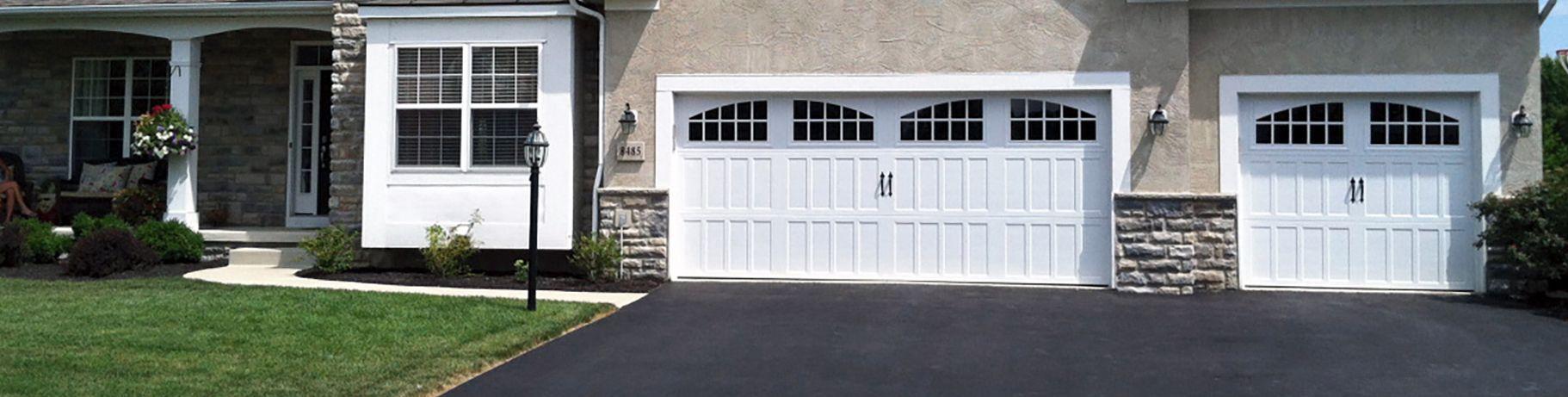
Replacing a garage door is a significant home improvement project that enhances curb appeal, improves functionality, and increases security. This guide outlines a complete garage door replacement's key steps, considerations, and benefits.
A slight different design as far as where the terminals are located for the power to connect but other than that I popped the old socket out and inserted the new light socket. My garage door opener is a Craftsman purchased in 1998.
Ordered May 12, 2020 late in the day. Here at my house (Md) by noon Fri May 15. Great service from PDoors! Installed pulleys today. They have to be better than the junk ones sold in the big box stores. My door is old, 500lb. no longer made. As others have said the replacement pulleys don't make it a yr. Trying these. Will update as some time goes by...So far great..
I purchase this part after reading that this is the replacement part for my Genie screw drive is not working and this is the likely culprit of the cause. The part was inexpensive and came quickly. Followed the YouTube video on how to disassemble my Genie and replace this part. It was exactly the part that I needed for replacement. Now my garage door is functioning again.
Improved Aesthetics: A new garage door can transform the look of your home, boosting its value and appeal.
Enhanced Security: Modern doors come with advanced locking mechanisms and durable materials.
Energy Efficiency: Insulated doors help regulate garage temperatures, reducing energy costs.
Reduced Maintenance: Newer materials like steel or fiberglass require less upkeep than older wooden doors.
Safety Features: Contemporary doors include sensors and auto-reverse mechanisms to prevent accidents.
Steps for Complete Garage Door Replacement
Assess Your Needs
Determine the size, style, and material that suits your home (e.g., steel, wood, aluminum, or fiberglass).
Consider insulation for energy efficiency, especially if the garage is attached to the house.
Decide on features like windows, smart openers, or decorative hardware.
Measure the Garage Door Opening
Measure the width and height of the existing door opening.
Check the headroom (space above the door) and sideroom (space on either side) for track installation.
Ensure measurements are precise to avoid fitting issues.
Choose a Replacement Door
Select a door that matches your home’s architectural style (e.g., traditional, contemporary, or carriage-house).
Opt for durable materials suited to your climate (e.g., rust-resistant steel for humid areas).
Verify the door’s wind resistance rating if you live in a storm-prone region.
Hire a Professional or DIY
Professional Installation: Recommended for safety and precision. Pros ensure proper alignment, tensioning of springs, and compliance with local codes.
DIY Installation: Only for experienced individuals with the right tools. Follow manufacturer instructions carefully, as springs and tracks can be dangerous.
Remove the Old Door
Disconnect the opener and release spring tension (professionals should handle high-tension springs).
Remove panels, tracks, and hardware carefully to avoid damage to the garage frame.
Install the New Door
Assemble the new door panels, starting from the bottom.
Install tracks, rollers, and hinges, ensuring level alignment.
Attach springs (torsion or extension) with caution, as they bear significant tension.
Connect the opener and test its functionality.
Test and Adjust
Test the door’s balance and alignment by manually lifting it.
Ensure safety features like photo-eye sensors and auto-reverse work correctly.
Lubricate moving parts to reduce friction and extend lifespan.
Final Touches
Add weatherstripping to seal gaps and improve insulation.
Paint or finish the door if required (e.g., for wooden doors).
Program smart openers or integrate with home automation systems.
Key Considerations
Budget: Costs range from $500 to $3,000+, depending on material, insulation, and labor. Custom designs or smart features increase expenses.
Local Codes: Check building permits or regulations, especially for structural modifications.
Warranty: Look for doors with strong manufacturer warranties (e.g., 5–20 years for parts).
Maintenance: Choose low-maintenance materials to save time and effort long-term.
Benefits of Professional Installation
Safety: Experts handle hazardous components like torsion springs.
Efficiency: Faster installation with fewer errors.
Guarantees: Many companies offer labor warranties, ensuring repairs if issues arise.
Maintenance Tips for New Garage Doors
Clean the door regularly to remove dirt and debris.
Inspect and lubricate moving parts (rollers, hinges, tracks) annually.
Test safety features monthly to ensure they function properly.
Address minor issues like loose bolts or misaligned tracks promptly to prevent bigger problems.
Conclusion
A complete garage door replacement is a worthwhile investment that improves your home’s appearance, security, and efficiency. Whether you opt for professional installation or a DIY approach, careful planning and quality materials are key to a successful project. Regular maintenance will keep your new door in top condition for years to come.